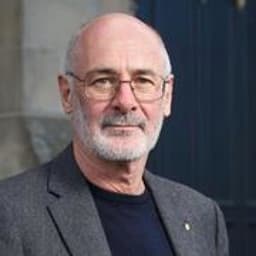
Roger W. Byard

Roger W. Byard

BMedSci, MB, BS (Medicine), LMCC, MMedSci, PhD, MD, DSc

Cardiologist

50 years of experience in medicine / pathology / forensic pathology

Male📍 Adelaide

About of Roger W. Byard

Roger W. Byard is a Cardiologist based in Adelaide, working from Level 2, Room N237, Frome Road, Adelaide SA 5005, Australia.


He brings a long background in both medicine and pathology, with 50 years of experience across medicine, pathology and forensic pathology. Over time, that mix helps when cases are complex, or when the story behind symptoms matters as much as the test results.


In clinic, Roger looks after people who need heart-focused care. This can include issues like high blood pressure, heart rhythm problems, blocked heart signals, and problems with the heart muscle. He also manages people with conditions such as cardiomyopathy, atrial septal defects (ASD), and serious artery or vessel problems like aortic aneurysms and aortic dissection.


He is also comfortable with emergencies and urgent presentations. That might include chest pain, fainting, cardiac arrest, and pericarditis. At times, heart care overlaps with clotting issues, like deep vein thrombosis (DVT) and pulmonary embolism (PE), where fast thinking and clear steps make a big difference.


Because his experience sits across many areas of medicine, he works with a wide range of patient types. Some people are dealing with long-term conditions such as high cholesterol, coronary heart disease, or atherosclerosis. Others come in after a sudden change, when doctors need a careful review and a practical plan.


Roger’s education includes degrees in medicine and research training. He studied at the University of Tasmania and later at the University of Adelaide and the University of South Australia. His qualifications include MB, BS (Medicine), and advanced research degrees such as PhD, MD and DSc.


He has also had roles that connect medicine with careful investigation, which is where his forensic pathology background comes in. That approach can be useful when there are difficult questions to answer, or when a patient’s history needs to be looked at closely.


On research, his higher degrees reflect a strong interest in deeper understanding and evidence-based thinking. However, no specific clinical trial details are listed for this profile.


Overall, the focus is on calm, clear cardiology care—helping people understand what’s going on, what the risks are, and what the next steps should be.

Education

  • BMedSci; University of Tasmania; 1975
  • MB, BS (Medicine); University of Tasmania; 1978
  • Licentiate of the Medical Council of Canada (LMCC); Medical Council of Canada; 1982
  • MMedSci-Paed (Master of Medical Science, Pediatric); University of Adelaide
  • PhD; The University of South Australia; 2018
  • MD (Doctor of Medicine, higher doctorate); University of Adelaide
  • DSc (Doctor of Science); University of Tasmania; 2020

Services & Conditions Treated

Sudden Infant Death Syndrome (SIDS)Tabes DorsalisAlcoholic KetoacidosisHypothermiaSaddle Pulmonary EmbolismAcanthosis NigricansAchard SyndromeArachnodactylyBlood ClotsCardiac ArrestCardiac TamponadeChildhood VolvulusCompartment SyndromeCongenital Aneurysms of the Great VesselsDeep Vein ThrombosisDiabetic KetoacidosisDisseminated Intravascular CoagulationGangreneGastrointestinal BleedingLow Blood PressureLudwig AnginaMesenteric Venous ThrombosisNecrosisObesityPicaPulmonary EmbolismPurpuraSotos SyndromeStasis Dermatitis and UlcersAcromicric DysplasiaActinomycosisAlcoholic CirrhosisAnaphylaxisAortic DissectionArteriovenous MalformationAtherosclerosisAtrial Septal Defect (ASD)Bacterial ProstatitisBasal Cell Skin CancerBladder Outlet ObstructionBladder StonesBrain TumorBrugada SyndromeBullaeCalcinosisCardiomyopathyCerebral HypoxiaCerebral PalsyChronic Obstructive Pulmonary Disease (COPD)ColitisCongenital Coronary Artery MalformationCor PulmonaleCoronary Heart DiseaseCOVID-19DehydrationDeliriumDementiaDiarrheaDiphtheriaDrug Induced DyskinesiaEar BarotraumaEbstein's AnomalyEchinococcosisEmphysemaEmpyemaEncephalitisEncephaloceleEndocarditisEnlarged Prostate (BPH)EpididymitisEsophageal CancerEsophageal PerforationFaintingFamilial HypertriglyceridemiaFecal ImpactionFibrous DysplasiaFractured SpineFriedreich AtaxiaGastritisGastrointestinal FistulaGigantismGummaHeart BlockHeart TumorHelminthiasisHereditary AtaxiaHerniaHigh Blood Pressure in InfantsHigh CholesterolHivesHydatidosisHydrocephalusHydronephrosisHypertensionHyperventilationHypotoniaIncreased Intracranial PressureIntersexIntertrigoKidney StonesLaryngeal CancerLeg or Foot AmputationLiver FailureLong QT SyndromeMalnutritionMelasmaMeningiomaMeningitisMetabolic AcidosisMethemoglobinemiaMononucleosisMoyamoya DiseaseMucormycosisMuscle AtrophyNeurosyphilisObstructive UropathyPatent Foramen OvalePectus ExcavatumPericarditisPerichondritisPeritonitisPlaguePneumoniaPrader-Willi SyndromePulmonary EdemaPulmonary TuberculosisRhabditida InfectionsScoliosisScurvySecondary PeritonitisSeizuresSepsisSevere Acute Respiratory Syndrome (SARS)Shaken Baby SyndromeSinus of Valsalva AneurysmSpinocerebellar AtaxiaSplenic NeoplasmSpontaneous Coronary Artery Dissection (SCAD)Strep ThroatStridorStrongyloidiasisSubcutaneous EmphysemaSubdural HematomaSyphilisThoracic Aortic AneurysmThroat CancerThrombophlebitisTurner SyndromeType 1 Diabetes (T1D)Type A Insulin Resistance SyndromeUrinary IncontinenceVaricose VeinsVentricular FibrillationVentricular Septal DefectsViral GastroenteritisViral Hemorrhagic FeverYaws

Publications

5 total
Endobronchial valves- an iatrogenic cause of hemoptysis to be considered at autopsy.

Forensic science, medicine, and pathology • April 10, 2025

Chronic Obstructive Pulmonary Disease (COPD), Bronchitis, Bronchiectasis, Heart Attack, Emphysema, Pneumonia, Cor Pulmonale

An 80-year-old man who presented with hemoptysis died from ischemic heart disease and emphysema with cor pulmonale. He had a past history of ischemic heart disease with previous myocardial infarction, chronic obstructive pulmonary disease with endobronchial valve insertion and squamous cell carcinoma of the lung with lobe resection. On the day of death he had coughed up approximately one tablespoon of blood. While causes of hemoptysis usually include entities such as bronchitis, pneumonia, bronchiectasis, tumors, adjacent aneurysms, inflammatory/infective processes or septic emboli, occasionally there may be an iatrogenic etiology. The present case demonstrates a rare cause of hemoptysis associated with medical treatment - endobronchial valve insertion with surrounding granulation tissue formation and resultant hemorrhage. Hemoptysis in decedents with COPD may, therefore, be due to treatment rather than to underlying inflammatory or neoplastic lesions.

Variable topography of black oesophagus (acute necrotising oesophagitis).

Medicine, Science, And The Law • June 16, 2025

John Gilbert, Roger Byard

Black oesophagus, or acute necrotising oesophagitis, is characterised by diffuse circumferential black discolouration of the distal oesophagus associated with mucosal necrosis. A consistent feature is a very sharp line of demarcation at the gastro-oesophageal junction. Two cases are reported to demonstrate differences in the lower margin. Case 1: a 63-year-old man who died of gastrointestinal haemorrhage complicating black oesophagus was noted to have an irregular lower border located approximately 5 cm from the gastro-oesophageal junction. This was associated with columnar mucosa typical of Barrett oesophagus. Case 2: a 79-year-old man who aspirated gastric contents following gastrointestinal haemorrhage due to black oesophagus had diffuse black discolouration of the oesophageal mucosa with the more usual sharply demarcated inferior margin at the gastro-oesophageal junction. Sparing of the distal oesophagus in case 1 was most likely due to the protective effect of metaplastic columnar epithelium, a finding that may, therefore, be a potential macroscopic marker for Barrett oesophagus in individuals with black oesophagus.

Acute drug toxicity as a risk factor for lethal deep venous thrombosis.

Medicine, Science, And The Law • June 10, 2025

Roger Byard, John Gilbert

Thrombosis of the deep veins of the legs is a relatively common occurrence initiated by venous stasis, endothelial damage or hypercoagulable states. Prolonged sitting has also been associated with thrombotic events. A case is reported where immobility caused by drug overdose resulted in lethal pulmonary thromboembolism. Case report: A 50-year-old male was found sitting in the driver's seat of his car slumped forward. A suicide note was present. At autopsy finely granular tablet residue was found in the stomach. Deep venous thrombosis was present in both calves with bilateral pulmonary thromboembolism. Toxicological examination of blood revealed elevated levels of amitriptyline (0.92 mg/L), nortriptyline (0.41 mg/L) and oxycodone (0.17 mg/L). Death was due to pulmonary thromboembolism arising from bilateral deep venous thromboses complicating mixed drug toxicity. Prolonged immobility should be considered a possible mechanism for venous thrombosis in drug takers.

Lethal gastrointestinal manifestations of COVID-19 infection at autopsy.

Medicine, Science, And The Law • June 04, 2025

John Gilbert, Stephen Wills, Roger Byard

COVID-associated acute mesenteric ischaemia is a rare event that has a high mortality rate, particularly in the elderly. Despite gastrointestinal symptoms being relatively common in COVID-19 infections, however, lethal gut complications are often not considered. Two cases with fatal COVID-associated acute mesenteric ischaemia are therefore reported. Case 1: A 74-year-old woman who died following a presentation with diarrhoea and abdominal pain was found at autopsy to have extensive ischaemic changes of her small and large intestines. The superior mesenteric artery and its major branches were widely patent. Histologically acute inflammation and necrosis of the mucosa and intramucosal haemorrhage were found with fibrin thrombi in intramucosal and submucosal vessels. Respiratory viral nucleic acid testing performed on a retronasal swab obtained at autopsy was positive for COVID-19 (SARS-CoV-2). Death was due to multi-organ failure complicating mesenteric ischaemia associated with COVID-19 infection. Case 2: A 94-year-old woman with COVID-19 infection died after developing abdominal pain with melaena and bright red rectal bleeding. At autopsy there was focal transmural acute inflammation of the small intestine with multiple fibrin microthrombi. Death was also due to multi-organ failure complicating mesenteric ischaemia associated with COVID-19 infection. In the absence of obstructive vascular lesions at autopsy in cases of intestinal ischaemia, COVID-19 should be considered with appropriate swabbing and careful histological sampling of the intestine and mesentery to check for microvascular fibrin thrombi.

Is Obesity a Factor in Lethal Opioid Toxicity?

The American Journal Of Forensic Medicine And Pathology • March 04, 2025

Jeremy W Hunter, Corinna Van Den Heuvel, Lilli Stephenson, Ian Musgrave, Roger Byard

Both obesity and opioid abuse are increasing in numbers globally. As these entities may be associated with significant respiratory compromise, it was hypothesized that synergism may occur and that as a result of this obese individuals may be more sensitive to the effects of opiates, that is, that deaths may occur at lower blood levels. To investigate this possibility, case files at Forensic Science SA, Adelaide Australia, were reviewed for all cases that occurred between 2000 and 2019 where deaths had been attributed to heroin or morphine toxicity. There were 259 cases (66 females, 193 males; age range: 18-91; average: 41.5). The average body mass index (BMI) was 26.8 (females, 26.1; males, 27.0). The total number of obese (BMI ≥ 30 < 40) decedents was 50, and the total number of morbidly obese (BMI ≥ 40) decedents was 17. No significant association was found in the obese or morbidly obese between BMI and postmortem drug levels of <0.01, ≥0.1 < 0.3, ≥0.3, <0.4, or ≥0.4 mg/L (P = 0.30, Fisher exact test). The lack of association between fatal postmortem opiate levels and BMI suggests that the negative respiratory effects of opioids and a high BMI may in some way be compensated for by as yet unidentified metabolic/pharmacokinetic factors in obesity.

Frequently Asked Questions

What services does Dr Roger W. Byard offer?
Dr Byard provides a wide range of cardiology and related medical services, including assessments and guidance for conditions like coronary heart disease, high blood pressure, heart rhythm issues, and heart-related emergencies. He also covers related conditions in medicine and pathology as part of his expertise.
Where is Dr Byard based for consultations?
He practices at Level 2, Room N237, Frome Road, Adelaide, SA 5005, Australia.
How can I book an appointment with Dr Byard?
Please contact the clinic to arrange an appointment. The specific booking process is provided by the receptionist and depends on current availability.
What kinds of heart or related conditions might I see Dr Byard for?
Dr Byard has extensive experience across many conditions, including coronary heart disease, atrial or ventricular issues, high blood pressure, heart failure, and sudden cardiac events. He also has broad expertise in medicine and pathology that can relate to cardiac care.
Does Dr Byard treat acute or emergency cardiac problems?
Dr Byard’s background includes managing serious cardiac situations and emergency conditions as part of his medical experience.
What languages does Dr Byard speak for consultations?
Language details aren’t listed here, but you can check with the clinic to confirm which languages are available for appointments.
What should I bring to my first appointment with Dr Byard?
Bring any relevant medical history, current medications, results from recent tests, and a list of questions you want to discuss. If you have recent imaging or lab results, bring those as well.

Contact Information

Level 2, Room N237, Frome Road, Adelaide, SA 5005, Australia

Is this your profile?

Claim this profile →

Memberships

  • Fellow of the Royal College of Pathologists (UK) (FRCPath)
  • Fellow of the College of American Pathologists (FCAP)
  • Fellow of the Royal College of Physicians and Surgeons of Canada (FRCPC)
  • Fellow of the Royal Society of New South Wales (FRSN)
  • Fellow of the Faculty of Postmortem Imaging of the Royal College of Pathologists of Australasia (FFPMI)
  • Foundation Fellow, Faculty of Forensic and Legal Medicine (UK)
  • Foundation Fellow, Faculty of Science of the Royal College of Pathologists of Australasia (FFSc)
  • Fellow, Royal College of Pathologists of Australasia
  • Member, College of Forensic and Legal Medicine of Sri Lanka
  • Registered Expert with the International Criminal Court (ICC), The Hague