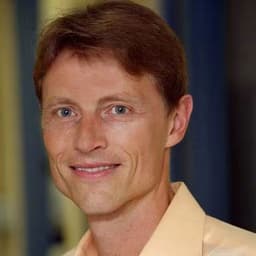
Markus P. Schlaich

Markus P. Schlaich

PhD; BSc (Honours); ESH-accredited Hypertension Specialist

Cardiologist

25 years of Experience

Male📍 Perth

About of Markus P. Schlaich

Markus P. Schlaich is a cardiologist in Perth, working from Level 3m in the MRF Building, Rear 50 Murray St, WA 6000. His clinic time is mainly about heart and blood pressure problems, but the link to kidney health, diabetes, and overall circulation often comes up too.


Markus has 25 years of experience. Over time, he’s looked after people with long-term high blood pressure and the knock-on effects it can have on the heart, brain, and kidneys. At times, he also supports patients who have tricky blood pressure patterns, like low blood pressure, or blood pressure that swings when someone stands up or changes position.


Many of the issues he sees relate to hypertension, including reno­vascular hypertension. He also works with patients managing conditions that often go together, such as obesity and metabolic syndrome, and people living with type 2 diabetes. In many cases, careful heart and blood pressure checks help guide safer day-to-day treatment, not just medication changes.


Heart rhythm is another common part of care. Markus looks after problems like atrial fibrillation and other arrhythmias, and he works with patients who have had issues such as ectopic heartbeats. When needed, he also provides support around cardiac ablation, which can be part of treatment for certain rhythm problems.


Because circulation and blood flow matter, he may also be involved in care when people have had events like a heart attack, stroke, or a TIA. He also looks at conditions where blood vessels can tighten too much, such as coronary artery spasm, and he considers how that ties in with symptoms and risk factors.


Markus’ education includes a PhD and a BSc (Honours), both from the University of Melbourne. He’s also an ESH-accredited Hypertension Specialist. That background helps him focus on blood pressure in a practical way, especially for people whose readings don’t behave in the usual pattern.


He stays up to date with ongoing medical research and has been involved in publication work. Where relevant, he also takes part in clinical trials, which can be important for patients when standard care isn’t enough or when newer options are being studied.


If you’re dealing with heart disease, rhythm problems, or complicated blood pressure, Markus aims to keep things clear and grounded, and to work through a plan that fits your situation.

Education

  • PhD; University of Melbourne
  • BSc (Honours); University of Melbourne
  • ESH-accredited Hypertension Specialist; European Society of Hypertension

Services & Conditions Treated

HypertensionRenovascular HypertensionAbdominal Obesity Metabolic SyndromeCardiac AblationLow Blood PressureMetabolic SyndromeObesityType 2 Diabetes (T2D)VasoconstrictionAcute Arterial Occlusion of KidneyArrhythmiasAtrial FibrillationCalcinosisCarotid Artery DiseaseCarotid Artery SurgeryChronic Kidney DiseaseCoronary Artery SpasmCOVID-19Deep Brain StimulationDiabetic NephropathyDiabetic RetinopathyEctopic HeartbeatEnd-Stage Renal Disease (ESRD)Familial DysautonomiaFamilial HypercholesterolemiaHeart AttackHeart FailureHigh CholesterolHyperaldosteronismHypertensive Heart DiseaseLoin Pain Hematuria SyndromeNecrosisNon-Alcoholic Fatty Liver DiseaseObstructive Sleep ApneaOrthostatic HypotensionOsteoporosisPolycystic Kidney DiseasePostural Orthostatic Tachycardia Syndrome (POTS)Severe Acute Respiratory Syndrome (SARS)StrokeTransient Ischemic Attack (TIA)Type 1 Diabetes (T1D)Wilson Disease

Publications

5 total
Renal Denervation-"Gizmo Idolatry" Fact Checker.

Journal of clinical hypertension (Greenwich, Conn.) • March 05, 2025

Markus Schlaich, Murray Esler

Supine Blood Pressure and Cardiovascular Risk.

JAMA Cardiology • July 02, 2025

Janis Nolde, Marcio Kiuchi, Markus Schlaich

Endothelin Receptor Antagonists for the Treatment of Hypertension: Recent Data from Clinical Trials and Implementation Approach.

Current Cardiology Reports • June 19, 2025

Revathy Manickavasagar, Anoushka Krishnan, Omar Azzam, Markus Schlaich

Objective: The endothelin system is a highly relevant component of the pathophysiology of hypertension, which is currently unopposed by existing treatment approaches. We examined the role of dual endothelin receptor antagonists in the treatment of resistant hypertension. Results: The recent PRECISION trial demonstrated significant blood pressure lowering effect with the use of the dual endothelin receptor antagonist aprocitentan in the treatment of resistant hypertension. Aprocitentan was shown to be particularly effective in patients over 75 years of age, African-American patients, and patients with diabetes and advanced CKD. There was also a decrease in proteinuria. Aprocitentan was well tolerated and the risk of fluid retention can be mitigated by close clinical monitoring and titration of diuretic therapy. Aprocitentan presents a novel treatment option for resistant hypertension, with particular efficacy noted in patient cohorts who have historically been challenging to achieve blood pressure targets in.

Global, Regional, and National Burden of Nontraumatic Subarachnoid Hemorrhage: The Global Burden of Disease Study 2021.

JAMA Neurology • May 23, 2025

Victor Volovici, Benjamin Stark, Catherine Johnson, Jaakko Kaprio, Miikka Korja, Rita Krishnamurthi, Balakrishnan Nair, Annemarei Ranta, Gabriel J Rinkel, Mervyn D Vergouwen, Yohannes Abate, Hedayat Abbastabar, Foad Abd Allah, Atef Abdelkader, Parsa Abdi, Arash Abdollahi, Auwal Abdullahi, Olugbenga Abiodun, Richard Aboagye, Mohamed Abouzid, Dariush Abtahi, Samir Abu Rumeileh, Ahmed Abualhasan, Hasan Abualruz, Hana Abukhadijah, Ahmed Abu Zaid, Lawan Adamu, Isaac Addo, Rufus Adedoyin, Oyelola Adegboye, Saryia Adra, Leticia Adzigbli, Williams Agyemang Duah, Bright Ahinkorah, Aqeel Ahmad, Danish Ahmad, Amir Ahmadzade, Ali Ahmed, Haroon Ahmed, Syed Ahmed, Budi Aji, Mohammed Akkaif, Yazan Al Ajlouni, Ziyad Al Aly, Mohammed Albashtawy, Mohammed Ali, Sheikh Alif, Yousef Alimohamadi, Syed Aljunid, Mahmoud Alomari, Ahmad Alrawashdeh, Mohammed Alsabri, Rustam Salman, Awais Altaf, Alaa Al Tammemi, Nelson Alvis Guzman, Hassan Alwafi, Mohammad Al Wardat, Yaser Al Worafi, Hany Aly, Mohammad Sharif Alyahya, Karem Alzoubi, Reza Amani, Tarek Amin, Alireza Amindarolzarbi, Ganiyu Amusa, Deanna Anderlini, Dhanalakshmi Angappan, Abhishek Anil, Boluwatife Anuoluwa, Saleha Anwar, Anayochukwu Anyasodor, Geminn Louis Apostol, Jalal Arabloo, Demelash Areda, Johan Ärnlöv, Anton Artamonov, Kurnia Artanti, Ashokan Arumugam, Zahra Aryan, Mohammad Asghari Jafarabadi, Mubarek Ashemo, Tahira Ashraf, Mohammad Athar, Seyyed Athari, Avinash Aujayeb, Adedapo Awotidebe, Sina Azadnajafabad, Shahkaar Aziz, Ahmed Azzam, Giridhara Babu, Nasser Bagheri, Pegah Bahrami Taghanaki, Saeed Bahramian, Ruhai Bai, Atif Baig, Abdulaziz Bako, Ovidiu Baltatu, Kiran Bam, Maciej Banach, Soham Bandyopadhyay, Biswajit Banik, Mainak Bardhan, Suzanne Barker Collo, Till Bärnighausen, Hiba Barqawi, Lingkan Barua, Mohammad-mahdi Bastan, Sanjay Basu, Shelly Bell, Isabela Bensenor, Alemshet Berhie, Kebede Beyene, Akshaya Bhagavathula, Sonu Bhaskar, Ajay Bhat, Vivek Bhat, Gurjit Bhatti, Jasvinder Bhatti, Ali Bijani, Boris Bikbov, Mekuriaw Birhan, Mulugeta Birhanu, Veera Bitra, Archith Boloor, Hamed Borhany, Susanne Breitner, Hermann Brenner, Raffaele Bugiardini, Norma Bulamu, Zahid Butt, Lucas Cabral, Florentino Caetano Dos Santos, Daniela Calina, Luis Cámera, Luciana Campos, Ismael Campos Nonato, Angelo Capodici, Felix Carvalho, Carlos Castañeda Orjuela, Alberico Catapano, Luca Cegolon, Joshua Chadwick, Chiranjib Chakraborty, Promit Chakraborty, Sandip Chakraborty, Rama Chandika, Gashaw Chanie, Vijay Chattu, Anis Chaudhary, Gerald Chi, Fatemeh Chichagi, Patrick Ching, Hitesh Chopra, Sonali Choudhari, Enayet Chowdhury, Dinh-toi Chu, Sheng-chia Chung, Alyssa Columbus, Michael Criqui, Alanna Da Silva, Mohammad Dabbagh Ohadi, Omid Dadras, Xiaochen Dai, Koustuv Dalal, Lachlan Dalli, Emanuele D'amico, Mohsen Dashti, Kairat Davletov, Vanessa De La Cruz Góngora, Shayom Debopadhaya, Ivan Delgado Enciso, Emina Derviševic, Vinoth Gnana Devanbu, Syed Masudur Dewan, Amol Dhane, Mahmoud Dibas, Thanh Do, Thao Huynh Do, Sushil Dohare, Mohamed Doheim, Klara Dokova, Deepa Dongarwar, Mario D'oria, Ojas Doshi, Rajkumar Doshi, Robert Dowou, Haneil Dsouza, Siddhartha Dutta, Arkadiusz Dziedzic, Abdel E'mar, David Edvardsson, Defi Efendi, Ferry Efendi, Nevine El Nahas, Islam Elgendy, Muhammed Elhadi, Chadi Eltaha, Mohd Eltahir, Theophilus Emeto, Natalia Fabin, Adeniyi Fagbamigbe, Ayesha Fahim, Ildar Fakhradiyev, Jawad Fares, Pawan Faris, Nelsensius Fauk, Timur Fazylov, Ginenus Fekadu, Nuno Ferreira, Getahun Fetensa, Florian Fischer, Matteo Foschi, Ni Kadek Fridayani, Abduzhappar Gaipov, Avi Gajjar, Aravind Gandhi, Balasankar Ganesan, Ravindra Garg, Miglas Gebregergis, Mesfin Gebrehiwot, Teferi Gebremeskel, Molla Getie, Delaram Ghadimi, Fataneh Ghadirian, Sulmaz Ghahramani, Afsaneh Ghasemzadeh, Ramy Ghazy, Maryam Gholamalizadeh, Sherief Ghozy, Artyom Gil, Jaleed Gilani, Elena Gnedovskaya, Pouya Goleij, Alessandra Goulart, Barbara Niegia Goulart, Shi-yang Guan, Sapna Gupta, Farrokh Habibzadeh, Mostafa Hadei, Najah Hadi, Samer Hamidi, Nasrin Hanifi, Graeme Hankey, Netanja Harlianto, Josep Haro, Faizul Hasan, Hamidreza Hasani, Md Hasnain, Mahgol Hassan Zadeh Tabatabaei, Johannes Haubold, Rasmus Havmoeller, Simon Hay, Youssef Hbid, Golnaz Heidari, Mohammad Heidari, Mehdi Hemmati, Yuta Hiraike, Nguyen Hoan, Ramesh Holla, Mehdi Hosseinzadeh, Sorin Hostiuc, Junjie Huang, Hong-han Huynh, Bing-fang Hwang, Segun Ibitoye, Nayu Ikeda, Adalia Ikiroma, Mehran Ilaghi, Olayinka Ilesanmi, Irena Ilic, Milena Ilic, Md Islam, Nahlah Ismail, Hiroyasu Iso, Gaetano Isola, Masao Iwagami, Louis Jacob, Abdollah Jafarzadeh, Akhil Jain, Ammar Jairoun, Mihajlo Jakovljevic, Abubakar Jatau, Talha Jawaid, Sathish Jayapal, Jost Jonas, Nitin Joseph, Mikk Jürisson, Vidya Kadashetti, Rizwan Kalani, Vineet Kamal, Arun Kamireddy, Tanuj Kanchan, Himal Kandel, Jafar Karami, Ibraheem Karaye, Yeganeh Karimi, Arman Karimi Behnagh, Faizan Kashoo, Gbenga Kayode, Foad Kazemi, Emmanuelle Kesse Guyot, Yousef Khader, Inn Khaing, Fayaz Khan, Mohammad Khan, Haitham Khatatbeh, Moawiah Khatatbeh, Hamid Khayat Kashani, Khalid Kheirallah, Feriha Khidri, Moein Khormali, Atulya Khosla, Kwanghyun Kim, Yun Kim, Adnan Kisa, Sezer Kisa, Mika Kivimäki, Ali-asghar Kolahi, Farzad Kompani, Oleksii Korzh, Karel Kostev, Nikhil Kothari, Kewal Krishan, Varun Krishna, Vijay Krishnamoorthy, Mohammed Kuddus, Mukhtar Kulimbet, Setor Kunutsor, Maria Kurniasari, Dian Kusuma, Ville Kytö, Carlo La Vecchia, Chandrakant Lahariya, Daphne Teck Lai, Hanpeng Lai, Tri Laksono, Tea Lallukka, Kamaluddin Latief, Kaveh Latifinaibin, Nhi Huu Le, Thao Thi Le, Munjae Lee, Seung Lee, Wei-chen Lee, Yo Lee, Jacopo Lenzi, Matilde Leonardi, Ming-chieh Li, Xiaopan Li, Stephen Lim, Jialing Lin, Xuefeng Liu, Valerie Lohner, László Lorenzovici, Paulo Lotufo, Giancarlo Lucchetti, Jay Lusk, Ricardo Lutzky Saute, Hawraz M Amin, Armaan Malhotra, Kashish Malhotra, Ahmad Malik, Deborah Malta, Mohammad Mansournia, Lorenzo Mantovani, Emmanuel Manu, Hamid Marateb, Mirko Marino, Seyed Maroufi, Ramon Martinez Piedra, Santi Martini, Miquel Martorell, Roy Marzo, Yasith Mathangasinghe, Elezebeth Mathews, Andrea Maugeri, Steven Mcphail, Asim Mehmood, Man Mehndiratta, Kamran Mehrabani Zeinabad, Ritesh Menezes, Sultan Meo, Atte Meretoja, Tomislav Mestrovic, Chamila Dinushi Mettananda, Tomasz Miazgowski, Ana Micheletti Gomide Nogueira De Sá, Giuseppe Minervini, Le Huu Minh, Andreea Mirica, Erkin Mirrakhimov, Mohammad Mirza Aghazadeh Attari, Ajay Mishra, Prasanna Mithra, Abdalla Mohamed, Ahmed Mohamed, Ameen Mohammad, Soheil Mohammadi, Abdollah Mohammadian Hafshejani, Shafiu Mohammed, Ali Mokdad, Sabrina Molinaro, Shaher Momani, Mohammad Moni, Amirali Moodi Ghalibaf, Maryam Moradi, Yousef Moradi, Paula Moraga, Lidia Morawska, Ahmed Msherghi, Kavita Munjal, Christopher J Murray, Ahamarshan Nagarajan, Ganesh Naik, Soroush Najdaghi, Noureddin Nakhostin Ansari, Shumaila Nargus, Delaram Davani, Zuhair Natto, Javaid Nauman, Vinod Nayak, Athare Nazri Panjaki, Ruxandra Negoi, Soroush Nematollahi, Charles Richard Newton, Duc Nguyen, Hau Thi Nguyen, Hien Nguyen, Phat Nguyen, Van Nguyen, Robina Niazi, Yeshambel Nigatu, Ali Nikoobar, Antonio Nogueira De Sá, Shuhei Nomura, Jean Noubiap, Fred Nugen, Chimezie Nzoputam, Bogdan Oancea, Michael Oduro, Tolulope Ojo Akosile, Hassan Okati Aliabad, Sylvester Okeke, Akinkunmi Okekunle, Andrew Olagunju, Muideen Olaiya, Arão Oliveira, Gláucia Maria Oliveira, Abdulhakeem Olorukooba, Isaac Olufadewa, Raffaele Ornello, Esteban Ortiz Prado, Uchechukwu Osuagwu, Amel Ouyahia, Mayowa Owolabi, Ahmad Ozair, Mahesh P A, Alicia Padron Monedero, Jagadish Padubidri, Demosthenes Panagiotakos, Georgios Panos, Leonidas Panos, Ioannis Pantazopoulos, Romil Parikh, Seoyeon Park, Jay Patel, Urvish Patel, Dimitrios Patoulias, Paolo Pedersini, Emmanuel Peprah, Gavin Pereira, Arokiasamy Perianayagam, Norberto Perico, Simone Perna, Fanny Petermann Rocha, Anil Philip, Michael Piradov, Evgenii Plotnikov, Roman Polibin, Maarten Postma, Jalandhar Pradhan, Manya Prasad, Jagadeesh Puvvula, Nameer Qasim, Gangzhen Qian, Alberto Raggi, Fakher Rahim, Vafa Rahimi Movaghar, Mosiur Rahman, Muhammad Rahman, Amir Rahmani, Mohammad Rahmanian, Sathish Rajaa, Ali Rajabpour Sanati, Pushp Rajpoot, Prashant Rajput, Mahmoud Ramadan, Shakthi Ramasamy, Sheena Ramazanu, Amey Rane, Sina Rashedi, Mohammad-mahdi Rashidi, Devarajan Rathish, Salman Rawaf, Christian Razo, Murali Mohan Rama Reddy, Elrashdy Redwan, Giuseppe Remuzzi, Nazila Rezaei, Negar Rezaei, Mohsen Rezaeian, Hermano Alexandre Rocha, Jefferson Antonio Rodriguez, Leonardo Roever, Michele Romoli, Marina Romozzi, Allen Ross, Himanshu Rout, Nitai Roy, Priyanka Roy, Aly M Saad, Zahra Saadatian, Siamak Sabour, Simona Sacco, Basema Saddik, Erfan Sadeghi, Usman Saeed, Fatemeh Saheb Sharif Askari, Amirhossein Sahebkar, Pragyan Sahoo, Refat Uz Sajib, Luciane Salaroli, Mohamed Saleh, Yoseph Samodra, Vijaya Samuel, Abdallah Samy, Milena Santric Milicevic, Aswini Saravanan, Tanmay Sarkar, Gargi Sarode, Sachin Sarode, Benn Sartorius, Maheswar Satpathy, Markus Schlaich, Ione Jayce Schneider, Art Schuermans, Siddharthan Selvaraj, Subramanian Senthilkumaran, Sadaf Sepanlou, Yashendra Sethi, Allen Seylani, Ahmed Shaaban, Mahan Shafie, Moyad Shahwan, Masood Shaikh, Summaiya Shaikh, Muhammad Shamim, Anas Shamsi, Alfiya Shamsutdinova, Mohd Shanawaz, Mohammed Shannawaz, Amin Sharifan, Javad Sharifi Rad, Vishal Sharma, Bereket Shashamo, Mahabalesh Shetty, Premalatha Shetty, Mika Shigematsu, Aminu Shittu, Ivy Shiue, Nathan Shlobin, Seyed Shorofi, Emmanuel Siddig, Baljinder Singh, Paramdeep Singh, Puneetpal Singh, Surjit Singh, Farrukh Sobia, Ranjan Solanki, Shipra Solanki, Soroush Soraneh, Michael Spartalis, Suresh Srinivasamurthy, Jeffrey Stanaway, Muhammad Stanikzai, Antonina Starodubova, Jing Sun, Zhong Sun, Chandan Swain, Lukasz Szarpak, Payam Tabaee Damavandi, Seyyed Tabatabaei, Seyed-amir Tabatabaeizadeh, Celine Tabche, Jabeen Taiba, Iman Talaat, Jacques Tamuzi, Ker-kan Tan, Mohamad-hani Temsah, Masayuki Teramoto, Ramna Thakur, Kavumpurathu Thankappan, Rasiah Thayakaran, Sathish Thirunavukkarasu, Jansje Henny Ticoalu, Krishna Tiwari, Marcello Tonelli, Roman Topor Madry, Marcos Tovani Palone, An Tran, Jasmine Tran, Thang Tran, Nguyen Tran Minh Duc, Thomas Truelsen, Thien Tan Tri Truyen, Daniel Tsai, Atta Ullah, Brigid Unim, Bhaskaran Unnikrishnan, Carolyn Unsworth, Jibrin Usman, Sanaz Vahdati, Asokan Vaithinathan, Rohollah Valizadeh, Jef Van Den Eynde, Joe Varghese, Tommi Vasankari, Narayanaswamy Venketasubramanian, Dominique Vervoort, Jorge Villafañe, Manish Vinayak, Sergey Vladimirov, Hatem Wafa, Yasir Waheed, Waseem Wahood, Mandaras Walde, Yanzhong Wang, Nuwan Wickramasinghe, Peter Willeit, Asrat Wolde, Charles D Wolfe, Yihun Wubie, Hong Xiao, Suowen Xu, Xiaoyue Xu, Kazumasa Yamagishi, Yuichiro Yano, Amir Yarahmadi, Habib Yaribeygi, Sanni Yaya, Pengpeng Ye, Dong Yon, Naohiro Yonemoto, Chuanhua Yu, Aurora Zanghì, Iman Zare, Michael Zastrozhin, Chen Zhang, Yunquan Zhang, Zhi-jiang Zhang, Zhiqiang Zhang, Hanqing Zhao, Shang Zhou, Abzal Zhumagaliuly, Hafsa Zia, Magdalena Zielinska, Samer Zyoud, Gregory Roth, Valery Feigin

Nontraumatic subarachnoid hemorrhage (SAH) represents the third most common stroke type with unique etiologies, risk factors, diagnostics, and treatments. Nevertheless, epidemiological studies often cluster SAH with other stroke types leaving its distinct burden estimates obscure. To estimate the worldwide burden of SAH. Based on the repeated cross-sectional Global Burden of Disease (GBD) 2021 study, the global burden of SAH in 1990 to 2021 was estimated. Moreover, the SAH burden was compared with other diseases, and its associations with 14 individual risk factors were investigated with available data in the GBD 2021 study. The GBD study included the burden estimates of nontraumatic SAH among all ages in 204 countries and territories between 1990 and 2021. SAH and 14 modifiable risk factors. Absolute numbers and age-standardized rates with 95% uncertainty intervals (UIs) of SAH incidence, prevalence, mortality, and disability-adjusted life-years (DALYs) as well as risk factor-specific population attributable fractions (PAFs). In 2021, the global age-standardized SAH incidence was 8.3 (95% UI, 7.3-9.5), prevalence was 92.2 (95% UI, 84.1-100.6), mortality was 4.2 (95% UI, 3.7-4.8), and DALY rate was 125.2 (95% UI, 110.5-142.6) per 100 000 people. The highest burden estimates were found in Latin America, the Caribbean, Oceania, and high-income Asia Pacific. Although the absolute number of SAH cases increased, especially in regions with a low sociodemographic index, all age-standardized burden rates decreased between 1990 and 2021: the incidence by 28.8% (95% UI, 25.7%-31.6%), prevalence by 16.1% (95% UI, 14.8%-17.7%), mortality by 56.1% (95% UI, 40.7%-64.3%), and DALY rate by 54.6% (95% UI, 42.8%-61.9%). Of 300 diseases, SAH ranked as the 36th most common cause of death and 59th most common cause of DALY in the world. Of all worldwide SAH-related DALYs, 71.6% (95% UI, 63.8%-78.6%) were associated with the 14 modeled risk factors of which high systolic blood pressure (population attributable fraction [PAF] = 51.6%; 95% UI, 38.0%-62.6%) and smoking (PAF = 14.4%; 95% UI, 12.4%-16.5%) had the highest attribution. Although the global age-standardized burden rates of SAH more than halved over the last 3 decades, SAH remained one of the most common cardiovascular and neurological causes of death and disabilities in the world, with increasing absolute case numbers. These findings suggest evidence for the potential health benefits of proactive public health planning and resource allocation toward the prevention of SAH.

Automated office blood pressure measurement: a Hypertension Australia and National Hypertension Taskforce of Australia position statement.

Journal Of Hypertension • May 06, 2025

James Sharman, Aletta Schutte, Mark Nelson, Ania Samarawickrama, Nigel Stocks, Charlotte Hespe, Tim Usherwood, Michael Stowasser, Anthony Rodgers, Natalie Ward, Elizabeth Halcomb, Sharon James, Garry Jennings, Markus Schlaich

Hypertension is the most common problem managed in Australian general practice, yet most adults with hypertension do not have their blood pressure (BP) treated to target. Hypertension diagnosis and management rely upon accurate BP measurements performed using a standardised protocol. However, health system barriers prevent doctors from following measurement protocols, leading to inaccurate BP assessments. A practical BP measurement protocol that can be widely implemented is urgently warranted. Automated office BP (AOBP) is the recommended measurement standard for the diagnosis and management of hypertension. AOBP involves using a validated automated upper-arm cuff BP device programmed to record multiple BP readings at set intervals starting after a rest period. It is done by a trained operator using a standardised protocol in a quiet setting with the correct patient setup, no distractions, and in the absence of a doctor. The device automatically calculates the average of the AOBP recordings and this is comparable to the 24-h ambulatory BP daytime mean. The hypertension threshold based on AOBP is 135/85 mmHg. AOBP can also be applied in other community settings (e.g. pharmacies), provided all the above criteria are met along with communication of results to the person's usual general practitioner. In Australia, nation-wide systematic implementation of evidence based AOBP measurement is strongly recommended. This standardised approach will support healthcare professionals, especially general practitioners, in obtaining high-quality BP values with increasing confidence in clinical decision-making. Policy and practice changes, to address barriers and provide enabling mechanisms for sustained implementation of AOBP, are required.

Clinical Trials

5 total

Global Clinical Study of Renal Denervation With the Symplicity Spyral™ Multi-electrode Renal Denervation System in Patients With Uncontrolled Hypertension on Standard Medical Therapy (SPYRAL HTN-ON MED)

Active_not_recruitingNot Applicable

The purpose of this study is to test the hypothesis that renal denervation decreases blood pressure and is safe when studied in the presence of up to three standard antihypertensive medications.

Participants: 337

Sympathetic Nervous System Inhibition for the Treatment of Diabetic Nephropathy

Completed Phase 4Moxonidine

The purpose of this study is to determine whether moxonidine is effective in reducing urine albumin levels in patients with diabetic kidney disease.

Participants: 48

Interactions Between The Serotonin Transporter And Sympathetic Nervous System Activation In Patients With Major Depressive Disorder - Understanding The Link Between The Brain And The Heart

CompletedPhase 4Selective Serotonin Re-Uptake Inhibitor (SSRI) Antidepressant

There is strong evidence that patients with major depressive disorder (MDD) have an increased risk of developing coronary heart disease (CHD). This elevated risk is independent of standard risk factors such as smoking, obesity, high cholesterol, diabetes, and high blood pressure. The relative risk of developing CHD is proportional to the severity of depression (the more severe the depression, the more likely the development of CHD). The sympathetic nervous system (the part of your nervous system that makes your heart beat harder and faster) is responsible for our flight and fight response to a threatening situation. It has been determined that increased sympathetic nervous system activation occurs in approximately one in three untreated patients with MDD (with no underlying CHD). There is growing evidence linking elevated sympathetic activity to early stages of kidney dysfunction and an increased incidence of cardiovascular (heart and blood vessel) disease development (eg, heart attacks). Sympathetic nervous system activation over a prolonged period of time may also be associated with abnormal blood pressure regulation and the development of insulin resistance (an important feature of type 2 diabetes). It has been suggested that a certain gene, known as the serotonin transporter (5-HTT) gene, may be involved. In particular, work from our group indicates that a particular type of this gene, the short form (or short allele) may be important in linking MDD, sympathetic nervous activation, and increased cardiac risk. This study aims to examine the role of the 5-HTT gene on cardiovascular risk factors associated with elevated sympathetic activity in patients with MDD. Additionally, the study will examine the effect of serotonin re-uptake inhibitor (SSRI) therapy on these parameters. A clearer understanding of these systems and processes will allow for identification of patients with increased cardiac risk and development of risk reduction strategies. Such information is clinically significant given the link between cardiovascular disease and MDD. Hypothesis 1: That MDD patients carrying the s allele of the 5-HTT transporter have higher sympathetic activity than homozygous ll patients. Hypothesis 2: that MDD patients with elevated sympathetic activity display early signs of left ventricular hypertrophy (LVH) and diastolic dysfunction. Hypothesis 3: That MDD patients with high sympathetic activity have greater morning surges in blood pressure than patients with normal sympathetic activity. Hypothesis 4: That MDD patients with elevated sympathetic activity display early signs of insulin resistance. Hypothesis 5: That SSRI therapy, in particular in those who carry the s allele of the 5-HTT, has a favourable effect on blood pressure variability and morning surge in blood pressure, sympathetic stress reactivity, and markers of insulin resistance.

Participants: 2012-05

A Randomised Trial Examining the Effectiveness of Sympathetic Nervous Inhibition in Alleviating the Metabolic Side Effects of Antipsychotic Medications in Patients With Schizophrenia

WithdrawnPhase 4

The use of antipsychotic medications has increased over the past decade. While more recently developed medications are improved with regards to extrapyramidal side effects, the use of atypical antipsychotics has been associated with substantial weight gain and a worsening of metabolic profile. The time course and extent of weight gain differs among antipsychotics, with olanzapine and clozapine being associated with greatest weight gain. Mechanisms underlying a worsening metabolic profile, obesity and obesity-related illnesses are complex, extending beyond sedentary lifestyle, poor diet and genetic predisposition. There is also a growing body of evidence that the sympathetic nervous system (SNS) has a role in the generation of both obesity and obesity-related illness. While the role of the SNS in blood pressure control is readily acknowledged it is less well appreciated that activation of the SNS exerts profound metabolic effects. Although the fact of a causal relation linking antipsychotic drugs and obesity is unequivocally established, the biological mechanisms operating are unclear, and strategies for preventive therapy remain largely unformulated. This study aims to investigate the role of the SNS and its association with the metabolic abnormalities that are frequently observed in patients with schizophrenia following treatment with antipsychotic medications. Additionally, the study will investigate whether treatment with the centrally acting sympatholytic agent moxonidine will modify SNS activity and, hence, favourably influence the downstream metabolic abnormalities seen in antipsychotic treated patients with schizophrenia. Hypothesis 1: Elevated sympathetic nervous system activity underlies the metabolic disturbances observed in patients following antipsychotic therapy. Aim 1: To investigate the role of the sympathetic nervous system and its association with the metabolic abnormalities that are frequently observed in patients with schizophrenia following treatment with antipsychotic medications Hypothesis 2: Central sympathoinhibition with moxonidine will blunt the elevated sympathetic nervous activity and downstream metabolic abnormalities observed in antipsychotic treated patients with schizophrenia. Aim 2: Determine whether treatment with the centrally acting sympatholytic agent moxonidine will modify sympathetic nervous system activity and, hence, favourably influence the downstream metabolic abnormalities seen in antipsychotic treated patients with schizophrenia.

Reveal LINQ™ Evaluation of Fluid

TerminatedNot Applicable

The purpose of this study is to investigate the use of subcutaneous impedance measured with an implanted Medtronic Reveal LINQ™ insertable cardiac monitor for use as a fluid status monitor in hemodialysis patients. The study will measure the changes in subject subcutaneous impedance and compare with the fluid status assessed by the volume removed from the hemodialysis subject during dialysis sessions. Subcutaneous impedance trends will also be evaluated between dialysis sessions.

Participants: 9

Frequently Asked Questions

What services does Dr Markus P. Schlaich offer?
Dr Markus P. Schlaich provides a range of cardiology services including hypertension management, treatment of arrhythmias such as atrial fibrillation, heart failure care, and procedures like cardiac ablation. He also addresses conditions like carotid artery disease, chronic kidney disease related to heart and blood pressure issues, metabolic syndrome, obesity, and associated vascular concerns.
Which conditions does he commonly treat?
He commonly treats hypertension and its related conditions, arrhythmias (including atrial fibrillation), heart failure, carotid artery disease, chronic kidney disease, and metabolic issues like obesity, metabolic syndrome, and type 2 diabetes in the context of cardiovascular care.
Where is his clinic located?
His practice is at Level 3m MRF Building, Rear 50 Murray St, Perth, WA 6000, Australia.
How can I book an appointment with Dr Schlaich?
To book an appointment, contact the clinic directly via the practice details provided. The site lists his services and specialty, but booking and availability are handled by the clinic.
What should I bring to my first appointment?
For your first appointment, bring any relevant medical records, current medications, and details of your symptoms or concerns to help the cardiology team assess your condition.
Does he treat both high and low blood pressure conditions?
Yes. Dr Schlaich works with hypertension, including various blood pressure issues, and offers care for related vascular and metabolic conditions.

Contact Information

Level 3m MRF Building, Rear 50 Murray St, Perth, WA 6000, Australia

Is this your profile?

Claim this profile →

Memberships

  • European Society of Hypertension (ESH)
  • Council of the International Society of Hypertension (ISH)
  • The High Blood Pressure Research Council of Australia
  • High Blood Pressure Research Council of Australia