
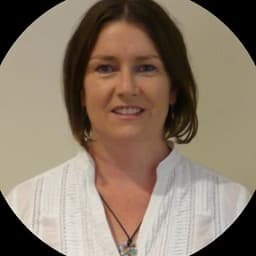
Leanne M. Dibbens is a Neurologist based in North Adelaide, South Australia. You can find the practice at 72 King William Rd, North Adelaide SA 5006. Her work is mainly about helping people and families when the nervous system is causing ongoing problems, especially when seizures or movement issues show up early in life.
Over time, Leanne has built a strong focus on genetic and inherited conditions. This includes several types of epilepsy that run in families, plus seizure disorders that can start in childhood and continue for years. Some patients may have focal seizures, absence seizures, or generalised tonic-clonic seizures. Others come with rarer epilepsy syndromes, where patterns matter and careful diagnosis is important.
She also looks after people with movement disorders and related conditions, including dyskinesia and chorea. At times, some movement problems can link with a seizure condition, and managing both together can make a big difference to daily life. Leanne understands that these illnesses can feel stressful for carers and parents, not just the person with symptoms.
Leanne has over 25 years’ experience in the medical and research world. Her background goes beyond everyday clinical work. She has a BSc (Hons) and then completed a PhD in Biochemistry & Genetics at The University of Adelaide. Later, she also did a postdoctoral fellowship in Haematology at The Hanson Centre for Cancer Research in 1999. That mix of training helps her think carefully about causes, patterns, and testing, especially for conditions with a genetic link.
In clinic, she works with patients and families to sort through what’s happening, what can explain symptoms, and what the next steps might be. This can include reviewing seizure history, family history, and how symptoms change over time. For many people, the goal is clear: better control, fewer scary episodes, and a more predictable routine day to day.
Research and publications are part of her story, with work recorded across multiple areas over the years. While each person’s situation is different, having that research experience can help when it comes to understanding what’s known, what’s still being studied, and how care decisions are made.
For many patients, being seen by a neurologist who understands rare and inherited conditions can take a lot of weight off the process. Leanne keeps things calm and practical, and she takes time to explain things in plain language.


