
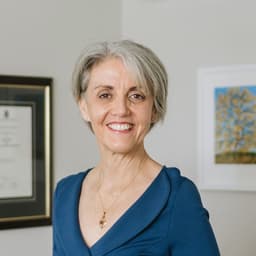
Helen M. Stallman is a Sleep Medicine clinician based in Birtinya, on the Sunshine Coast, at 12 Innovation Pkwy, Birtinya QLD 4575. Sleep problems can throw your whole week off, even when you’re doing your best. Helen works with people who want clearer answers about what’s going on, and practical ways to get better sleep.
In sleep medicine, a big part of the work is understanding the patterns behind symptoms. Helen has a special focus on sleepwalking, also called somnambulism. For some people, sleepwalking is just occasional. For others, it can be more frequent, stressful, or worrying for families and housemates. Helen helps people sort through triggers, routines, and safety concerns, so nights feel more settled.
Over time, sleep issues can link with stress, mood, and everyday habits. Helen looks at the whole picture, not just the one symptom. That might include things like changes in sleep schedule, nighttime routines, and how someone is coping during the day. In many cases, small adjustments can make a real difference, especially when they’re matched to the person’s situation.
Helen brings more than 15 years of experience to her work. She aims for care that’s calm and grounded. At times, sleep problems can feel confusing or even embarrassing, but they’re also common. Helen helps people feel listened to and supported while they work out a plan.
Helen’s training is strong and broad. She holds a PhD from The University of Queensland (2012), a Doctor of Clinical Psychology (2003), and a Bachelor of Psychology (Honours) from James Cook University (1999). She also has a Bachelor of Science (1998) from the University of Southern Queensland. There’s also a Certificate in Medical Education from The University of Queensland (2011).
There’s also a research side to her work. Helen has publications that draw on sleep and clinical psychology. That kind of background helps her stay up to date with what’s been studied, while still keeping the plan practical for real life.
Clinical trials are not the main focus of her service. Instead, the emphasis is on assessment, understanding what’s driving sleep difficulties, and working towards safer, more restful nights.